



⏱️ 2 Minutes Read
When building a home, most people spend hours deciding on the floor, kitchen, paint and fittings. But one decision that often gets far less attention is hidden inside the walls what are those walls actually made of?
In Indore’s increasingly hot summers, changing construction practices, and growing focus on efficiency, the choice between AAC blocks, fly ash bricks, and traditional clay bricks deserves more attention. There isn’t one universal winner. The right material depends on the project’s budget, structural design, thermal requirements, availability, workmanship, and long-term goals.
Three Materials, Three Different Strengths
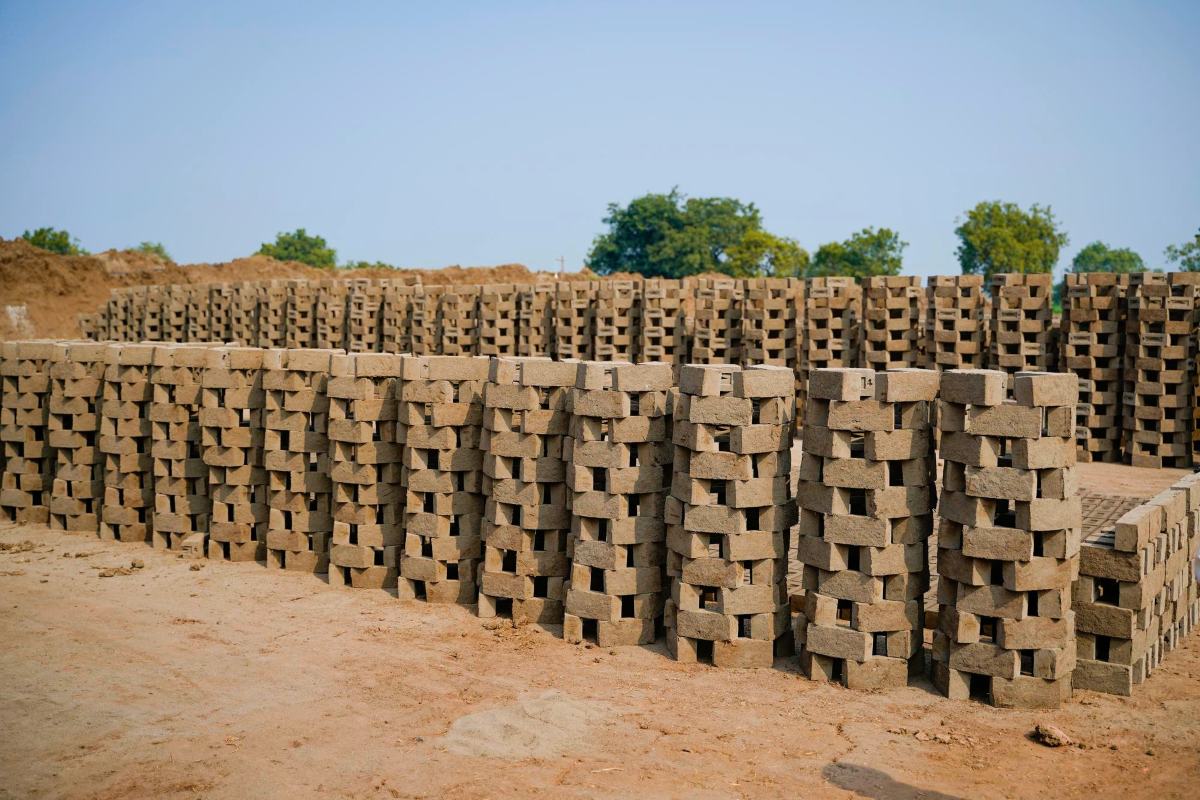
Traditional Clay Bricks remain familiar to most homeowners and contractors. They have a long history of use, are widely understood by local construction teams, and can be suitable for a variety of projects. Their familiarity and availability continue to make them a popular choice.
AAC (Autoclaved Aerated Concrete) Blocks are lightweight and generally larger than conventional bricks, which can help reduce wall weight and speed up construction. Their thermal insulation properties can also make them attractive for homes in hot climates like Indore.
Fly Ash Bricks are manufactured using fly ash and other materials and offer consistent dimensions compared with many conventional bricks. Their relatively smooth finish and standardized shape can help with masonry and plastering work.
But material selection should never happen in isolation. Structural requirements, water absorption, workmanship, plastering practices and local availability all matter.
What Makes Sense for an Indore Home?
Indore’s climate makes thermal comfort an important consideration. A wall material with better thermal performance can contribute to a more comfortable indoor environment, particularly when combined with proper orientation, shading, roof insulation, ventilation, and window design.
AAC blocks can therefore be attractive for homeowners prioritizing lightweight construction and thermal insulation. Fly ash bricks can make sense where consistent masonry and locally available supply are important. Traditional bricks remain relevant where established construction practices, availability, and contractor familiarity are major considerations.
The key lesson is simple, don’t choose a wall material just because it is cheaper per piece. Compare the complete system including transportation, mortar, plaster, labour, wastage, construction speed, thermal performance, and long-term maintenance.
The Smart Choice Is Bigger Than the Brick
The future of home construction isn’t necessarily about replacing one material with another. It’s about selecting materials according to climate, design, construction quality, and lifecycle value.
For a new home in Indore, the better question may not be “Which brick is the best?”
It should be “Which wall system makes the most sense for my home, my climate and my budget?”
And before making that decision, homeowners should consult their architect or structural/construction professional and evaluate locally available, quality-certified materials. Because when it comes to your home, the smartest material isn’t necessarily the newest one, it’s the one that works best for the building you’re actually creating.
About Indore Talk Realty
Indore Talk Realty is a venture of Indore Talk Media Network, Central India’s first MediaTech & Content Network, delivering credible real estate news, construction updates, design trends, infrastructure developments, market insights, and property information through the combined strength of WEB | APP | SOCIAL MEDIA, with PRINT coming soon.
Everything About Indore, Now on WEB | APP | SOCIAL MEDIA
READ. WATCH. CONNECT.
📲 Download the Indore Talk App
📲 Follow us on Facebook | Instagram | YouTube | LinkedIn | X